Paleo Diet Plan PDF: A Comprehensive Guide (Updated April 22, 2026)
Embark on a journey to ancestral eating! This guide details the paleo diet, mirroring what hunter-gatherers consumed – lean meats, fruits, vegetables, nuts, and seeds.
Discover a pathway to potential weight loss and improved wellbeing through a detailed exploration of this popular dietary pattern, readily available in convenient PDF formats.
What is the Paleo Diet?
The Paleo Diet, often called the “caveman diet,” is a modern nutritional plan based on the presumed diet of early humans during the Paleolithic era. It centers around foods our hunter-gatherer ancestors would have had access to before the advent of agriculture.
Essentially, it’s about eating like our ancestors did – focusing on whole, unprocessed foods. This means prioritizing lean proteins, fruits, vegetables, nuts, and seeds. The core idea is that the human body is genetically best suited to this way of eating, having evolved over millennia to thrive on these types of foods.
Unlike many modern diets, the Paleo Diet isn’t about calorie counting or strict portion control. Instead, it emphasizes what you eat, believing that the right food choices naturally lead to a healthy weight and improved overall health. It’s a lifestyle approach, aiming to align your diet with your evolutionary biology. Numerous resources, including comprehensive PDF guides, are available to help you navigate this dietary shift.

The Core Principles of Paleo Eating
At its heart, Paleo eating revolves around several key principles. First, it prioritizes whole, unprocessed foods – those in their natural state, without added sugars, artificial ingredients, or refined carbohydrates. This focus aims to minimize inflammation and optimize nutrient intake.
Secondly, the diet emphasizes nutrient density. Paleo encourages choosing foods packed with vitamins, minerals, and antioxidants, supporting overall health and wellbeing. Lean proteins are central, providing essential amino acids for muscle building and repair.
A third principle is the exclusion of foods believed to be detrimental to health, based on the premise that our bodies haven’t adapted to digest them efficiently. This includes grains, legumes, and dairy. Many downloadable PDF resources detail these principles, offering guidance on making informed food choices and transitioning to a Paleo lifestyle.
Foods Allowed on the Paleo Diet
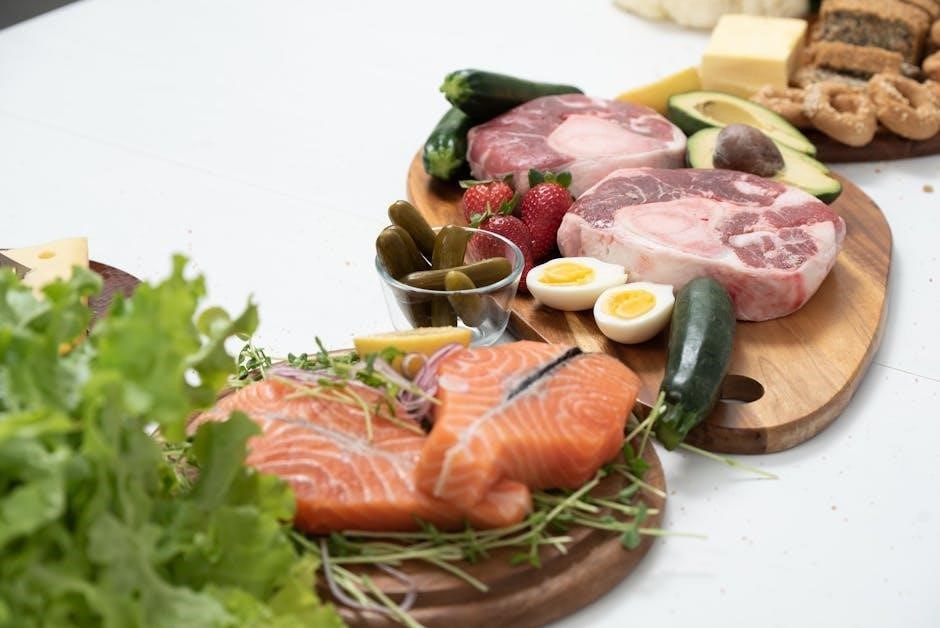
The Paleo diet champions a diverse range of naturally occurring foods. Lean meats – beef, poultry, pork, and fish – form a cornerstone, providing high-quality protein. A vibrant array of fruits and vegetables are encouraged, offering essential vitamins, minerals, and fiber.

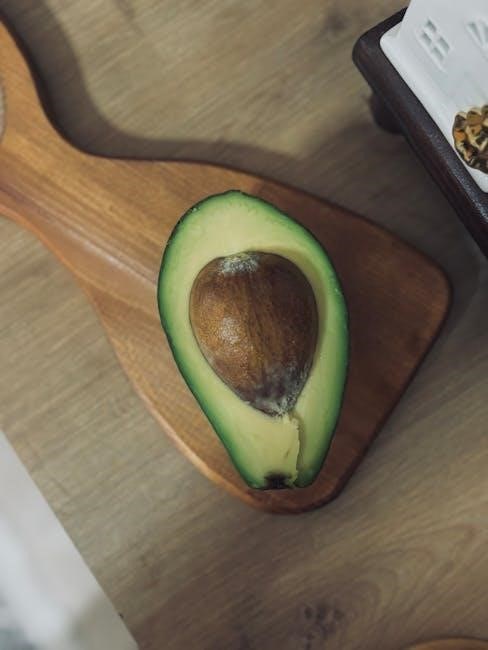
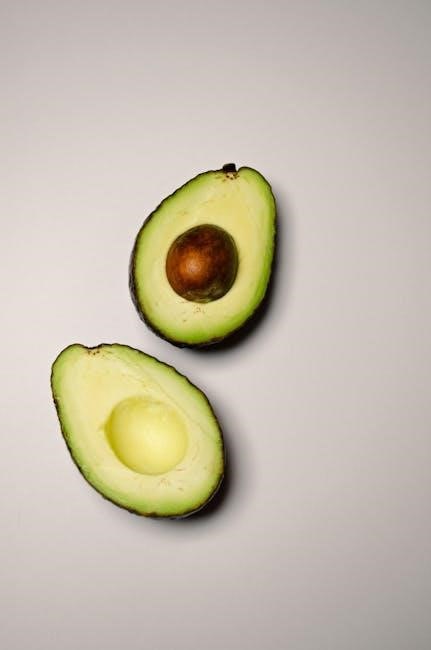
Healthy fats are also crucial, sourced from avocados, olive oil, coconut oil, and nuts. These fats support energy levels and hormone production. Nuts and seeds, like almonds, walnuts, and chia seeds, provide healthy fats, protein, and fiber, making them ideal snacks.
Numerous Paleo diet PDF guides offer comprehensive lists and meal ideas centered around these allowed foods. These resources often categorize options for easy meal planning, ensuring a balanced and satisfying dietary approach. Exploring these PDFs can unlock a world of delicious and nutritious Paleo-approved recipes.
Lean Proteins: The Foundation
Lean proteins are absolutely central to the Paleo diet, mirroring the dietary habits of our hunter-gatherer ancestors. This includes grass-fed beef, poultry (chicken, turkey), pork, and wild-caught fish. These sources provide essential amino acids, vital for muscle repair, growth, and overall bodily functions.
Prioritizing lean cuts minimizes unhealthy fat intake, aligning with the Paleo principle of consuming foods in their most natural state. Many Paleo diet PDF resources emphasize protein intake, often suggesting specific serving sizes based on activity level and individual needs.
PDF guides frequently feature recipes showcasing creative ways to incorporate these proteins into meals. From grilled salmon with roasted vegetables to chicken stir-fries, the options are diverse and flavorful, making adherence to the diet both enjoyable and sustainable.
Fruits and Vegetables: Nutrient Powerhouses
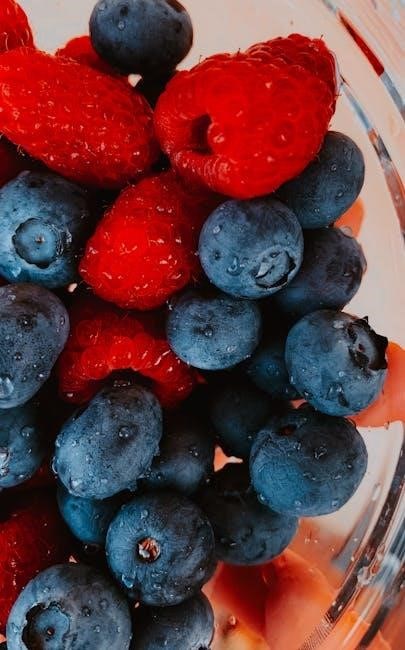
Fruits and vegetables form a vibrant cornerstone of the Paleo diet, providing a wealth of essential vitamins, minerals, and antioxidants. Unlike modern diets often laden with processed foods, Paleo emphasizes whole, unprocessed plant sources. Berries, apples, oranges, leafy greens, broccoli, and sweet potatoes are all encouraged.
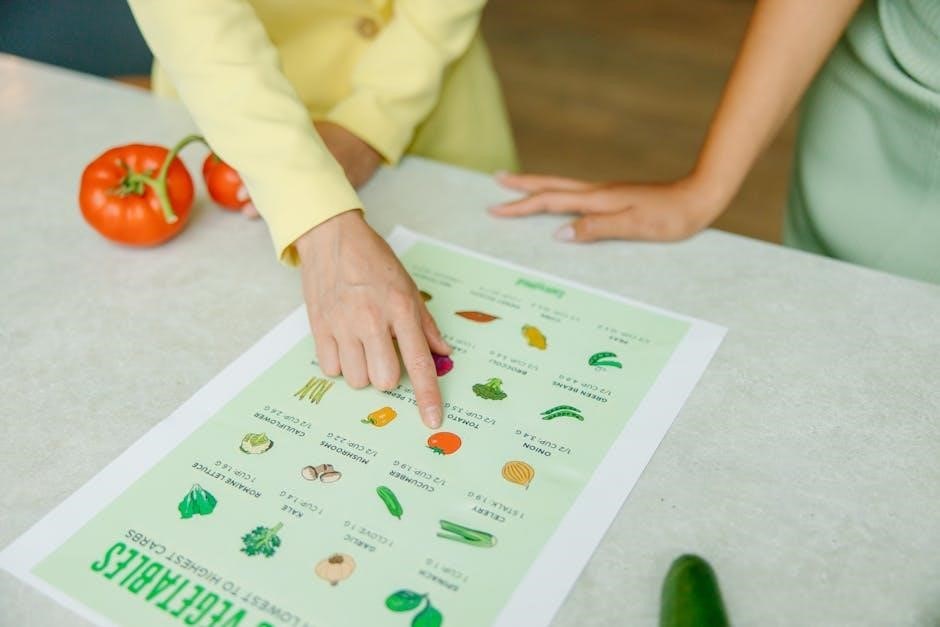
Paleo diet PDF resources often highlight the importance of colorful produce, as different colors indicate varying nutrient profiles. These guides frequently include meal plans incorporating seasonal fruits and vegetables for optimal freshness and flavor;
The abundance of fiber in these foods aids digestion and promotes satiety, contributing to weight management. PDF cookbooks often feature recipes that creatively showcase fruits and vegetables, proving that Paleo eating is far from restrictive.
Healthy Fats: Essential for Energy
Healthy fats are a crucial component of the Paleo diet, providing sustained energy and supporting hormone production. Unlike the fear of fats perpetuated by some modern diets, Paleo recognizes their vital role in overall health. Sources like avocados, olive oil, coconut oil, and fatty fish are highly encouraged.
Paleo diet PDF guides often emphasize the importance of the omega-3 to omega-6 fatty acid ratio, advocating for increased intake of omega-3s found in fish. These resources detail how to incorporate these fats into meals and snacks.
These fats contribute to brain health and reduce inflammation, aligning with the diet’s focus on mimicking ancestral eating patterns. PDF meal plans frequently include recipes utilizing these healthy fat sources, demonstrating their versatility.
Nuts and Seeds: Snack Smart
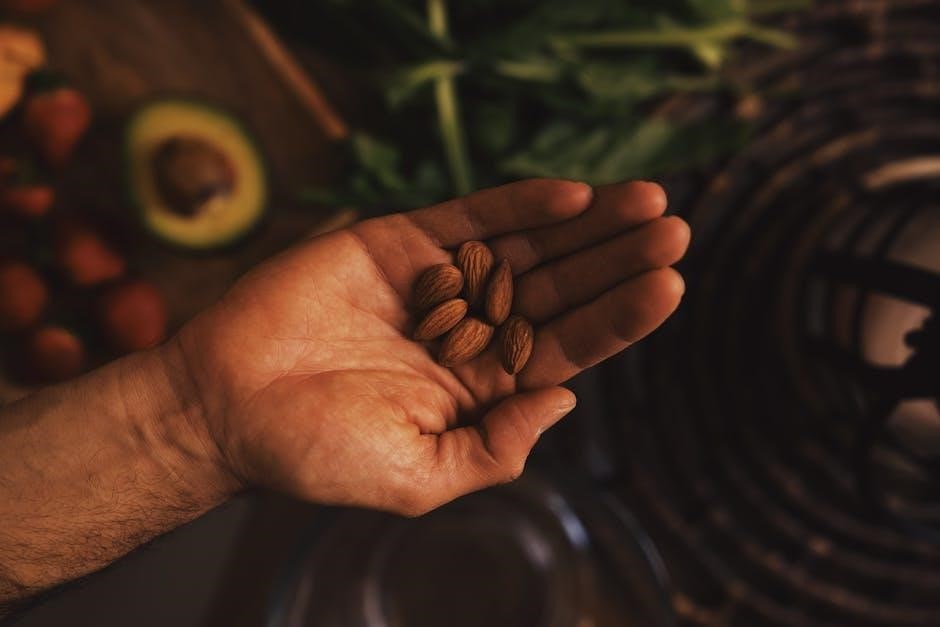
Nuts and seeds are fantastic additions to a Paleo diet, offering a convenient and nutrient-dense snack option. They provide healthy fats, protein, and fiber, keeping you satiated between meals. Almonds, walnuts, chia seeds, and flaxseeds are Paleo-approved staples.
Paleo diet PDF resources often highlight the importance of portion control with nuts and seeds, as they are calorie-dense. These guides provide recommended serving sizes to maintain a balanced intake.
Many PDF meal plans incorporate nuts and seeds into breakfast, lunch, and even dessert recipes, showcasing their versatility. They can be added to salads, smoothies, or enjoyed on their own for a quick energy boost. Remember to choose raw, unsalted varieties whenever possible!
Foods to Avoid on the Paleo Diet
A cornerstone of the Paleo diet is eliminating foods believed to be introduced with the advent of agriculture. Paleo diet PDF guides consistently emphasize avoiding grains – wheat, rice, corn – due to their potential inflammatory effects and perceived incompatibility with human digestion.
Legumes, including beans, lentils, and peanuts, are also excluded as they contain anti-nutrients that may hinder nutrient absorption. Dairy products are a point of contention, often omitted due to lactose intolerance and potential inflammation.
Processed foods, refined sugars, and artificial sweeteners are strictly prohibited, aligning with the diet’s focus on whole, unprocessed foods. Detailed PDF resources provide comprehensive lists of ingredients to avoid when grocery shopping, ensuring adherence to the Paleo principles.
Grains: Why They’re Excluded
Paleo diet PDF resources consistently highlight grains as a primary exclusion. This stems from the belief that human bodies haven’t adequately adapted to digesting them, as grains became prevalent only after the agricultural revolution.
Wheat, rice, corn, barley, and oats are all off-limits due to their phytic acid content, which can inhibit nutrient absorption. Furthermore, many grains contain gluten, a protein that can cause inflammation and digestive issues in sensitive individuals.
Paleo proponents argue that grains contribute to modern health problems like obesity, insulin resistance, and autoimmune diseases. PDF guides often detail the historical context of grain consumption and the potential downsides, offering alternatives like sweet potatoes and root vegetables for carbohydrate sources.
Legumes: The Bean Ban
Paleo diet PDF materials uniformly categorize legumes – beans, lentils, and peanuts – as foods to avoid. This exclusion isn’t about calorie count, but rather their biochemical composition and potential impact on health.
Legumes contain phytates and lectins, compounds believed to interfere with nutrient absorption and potentially damage the gut lining. These anti-nutrients are a central argument in paleo literature, often detailed within downloadable PDF guides.
While nutritious, legumes weren’t a staple in the diets of our Paleolithic ancestors. Paleo advocates suggest that our digestive systems haven’t fully evolved to efficiently process them. PDF resources emphasize focusing on nutrient-dense alternatives like vegetables and quality protein sources instead of relying on legumes for plant-based protein.
Dairy: A Point of Contention
Dairy’s inclusion on the paleo diet is a frequently debated topic, often addressed in detail within comprehensive paleo diet PDF guides. Unlike strict interpretations, some modern variations allow certain dairy products, particularly those from grass-fed sources.
The core argument against dairy stems from its relatively recent introduction to the human diet. Our Paleolithic ancestors didn’t have access to domesticated animals or dairy farming. PDF resources highlight potential issues with lactose intolerance and casein sensitivities.
However, full-fat, fermented dairy like ghee and kefir are sometimes permitted due to their altered composition and easier digestibility. Many PDF plans offer modified versions accommodating these options, acknowledging individual tolerance levels and prioritizing overall health benefits.
Processed Foods: The Ultimate No-No
Paleo diet PDF resources consistently emphasize the strict avoidance of processed foods. This is a cornerstone of the diet, reflecting the absence of such items in the ancestral lifestyle. Anything significantly altered from its natural state is generally off-limits.
This includes anything containing artificial sweeteners, colors, preservatives, and refined vegetable oils. PDF guides detail how to identify hidden processed ingredients in seemingly healthy products, urging mindful label reading.
The rationale is that processed foods lack the nutrient density of whole, unprocessed alternatives and can contribute to inflammation and metabolic dysfunction. Paleo plans prioritize real, whole foods, offering recipes and shopping lists to facilitate this transition.
PDFs often provide substitution suggestions, empowering individuals to create paleo-friendly versions of their favorite meals without relying on processed ingredients.
Refined Sugar: A Major Culprit
Paleo diet PDF guides universally condemn refined sugar as a significant detriment to health. This exclusion stems from the understanding that our hunter-gatherer ancestors had limited access to concentrated sources of sweetness.
This means eliminating table sugar, high-fructose corn syrup, and anything containing them – including many processed foods, sodas, and sweetened beverages. Paleo PDFs often highlight the detrimental effects of sugar on blood sugar control and inflammation.
Instead of refined sugar, paleo plans advocate for moderate consumption of natural sweeteners like small amounts of fruit or, occasionally, raw honey or maple syrup.
PDF resources provide strategies for curbing sugar cravings and offer recipes utilizing fruit to satisfy sweet tooths in a paleo-compliant manner. They emphasize reading labels carefully to identify hidden sugars.
Creating a 7-Day Paleo Meal Plan
Many paleo diet PDF resources center around providing structured 7-day meal plans. These plans are designed to simplify the transition to paleo eating, offering a clear roadmap for what to eat each day.
PDFs typically include detailed recipes and shopping lists, minimizing guesswork and maximizing adherence. A successful plan balances lean proteins, abundant vegetables, healthy fats, and limited fruits.

Expect to see breakfast options like egg scrambles with vegetables, lunches featuring large salads with grilled chicken or fish, and dinners centered around roasted meats and sweet potatoes.
Paleo diet PDFs often emphasize meal prepping to save time during busy weeks. They also provide guidance on adjusting portion sizes based on individual needs and activity levels, ensuring a sustainable and enjoyable experience.
Sample Paleo Breakfast Ideas
Paleo diet PDF resources frequently showcase a variety of breakfast options to kickstart your day with sustained energy. These ideas move beyond traditional cereals and toast, focusing on whole, unprocessed foods.
Expect to find recipes for egg-based dishes, such as spinach and mushroom omelets or scrambled eggs with smoked salmon. Sweet potato hash with sausage is another popular choice, providing a savory and filling start.
For quicker options, many PDFs suggest fruit salads with a handful of nuts and seeds, or a smoothie made with coconut milk, berries, and protein powder.
Some resources also include baked egg muffins prepared in advance for grab-and-go convenience. These breakfasts emphasize protein and healthy fats, keeping you satiated until lunchtime and supporting stable blood sugar levels.
Paleo Lunch Options for Busy Days
Paleo diet PDF guides understand the challenges of maintaining a strict diet with a hectic schedule. Therefore, they offer numerous quick and portable lunch ideas centered around convenience without compromising paleo principles.
Salads are a cornerstone, featuring grilled chicken or fish, mixed greens, avocado, and a lemon-olive oil dressing. Leftovers from dinner, like roasted vegetables and meat, are also highly encouraged for efficient meal prepping.
Many PDFs suggest lettuce wraps filled with ground turkey or chicken and chopped vegetables, providing a light yet satisfying meal. Pre-portioned containers of sliced vegetables with guacamole or almond butter offer a simple snack-box style lunch.
For those with a bit more time, consider making a paleo-friendly tuna salad (using avocado mayo) or a hearty soup packed with vegetables and protein.
Delicious Paleo Dinner Recipes
Paleo diet PDF resources are brimming with flavorful dinner recipes designed to satisfy your cravings while adhering to the diet’s guidelines. Expect an emphasis on high-quality protein sources paired with abundant vegetables.
Sheet pan dinners are a popular choice – simply toss chicken or salmon with broccoli, sweet potatoes, and herbs, then roast for an easy cleanup. Ground meat skillets with cauliflower rice and sautéed spinach provide a comforting and nutritious meal.
Many PDFs feature recipes for slow-cooked stews and soups, perfect for colder evenings. These often incorporate root vegetables, bone broth, and flavorful spices. Baked salmon with roasted asparagus and a side of mashed sweet potatoes is another frequently included option.
Don’t forget about paleo-friendly casseroles utilizing sweet potato as a base and topped with ground turkey or chicken!
Paleo-Friendly Snack Suggestions
Paleo diet PDF guides often include a dedicated section for snacks, recognizing the importance of staying satisfied between meals. These suggestions focus on whole, unprocessed foods to maintain stable energy levels and avoid cravings.
A handful of raw almonds or walnuts provides healthy fats and protein. Celery sticks with almond butter offer a satisfying crunch and creamy texture. Hard-boiled eggs are a convenient and protein-packed option.
Fruit, such as berries or apple slices, can satisfy a sweet tooth naturally. Consider pairing fruit with a small portion of nuts or seeds for added staying power. Jerky (ensure it’s sugar-free and paleo-compliant) is a portable protein source.
Many PDFs also suggest making your own fruit leather or kale chips for a healthier alternative to store-bought snacks!
Paleo Diet Benefits: What the Research Says
Paleo diet PDF resources frequently highlight potential health benefits, often referencing emerging research. While more extensive studies are ongoing, initial findings suggest several positive outcomes associated with this eating pattern.
Weight loss and improved body composition are commonly reported, attributed to the diet’s emphasis on whole foods and protein intake. Furthermore, the elimination of refined sugars and processed foods can lead to better blood sugar control, potentially benefiting individuals with insulin resistance.
A reduction in inflammation is another frequently cited benefit, stemming from the diet’s focus on anti-inflammatory foods like fruits, vegetables, and healthy fats. Many PDFs emphasize that these benefits are best achieved when combined with a healthy lifestyle.
It’s crucial to consult with a healthcare professional before making significant dietary changes.
Weight Loss and Management
Paleo diet PDF guides often showcase weight loss as a primary benefit, stemming from several key dietary components. The high protein intake promotes satiety, reducing overall calorie consumption and curbing cravings for less nutritious foods.
Eliminating processed foods, refined sugars, and grains significantly lowers the intake of empty calories, contributing to a calorie deficit. Furthermore, the focus on whole, unprocessed foods naturally leads to increased fiber consumption, aiding digestion and promoting fullness.
Many PDF resources detail how the paleo diet supports stable blood sugar levels, preventing energy crashes and reducing the likelihood of overeating. This consistent energy supply can also enhance physical activity levels, further supporting weight management goals.
Remember, sustainable weight loss requires a holistic approach combining diet with regular exercise and mindful eating habits.
Improved Blood Sugar Control
Paleo diet PDF resources frequently highlight its positive impact on blood sugar regulation. By excluding refined sugars and processed carbohydrates, the diet minimizes rapid spikes and crashes in glucose levels, a crucial factor for metabolic health.
The emphasis on whole, unprocessed foods – fruits, vegetables, lean proteins, and healthy fats – provides a steady release of glucose into the bloodstream. This sustained energy prevents insulin resistance, a hallmark of type 2 diabetes.
PDF guides often include meal plans designed to optimize glycemic response, pairing proteins and fats with carbohydrates to slow down sugar absorption. This approach helps maintain stable energy levels throughout the day.
For individuals managing blood sugar, consulting a healthcare professional before adopting the paleo diet is essential. However, many find it a valuable tool for improving metabolic function.
Reduced Inflammation
Paleo diet PDF materials consistently emphasize its anti-inflammatory properties. Modern diets, rich in processed foods, sugar, and unhealthy fats, contribute to chronic inflammation – a root cause of many diseases.
The paleo approach eliminates these inflammatory triggers, focusing instead on nutrient-dense foods packed with antioxidants and omega-3 fatty acids. These compounds combat oxidative stress and reduce inflammatory markers in the body.
PDF guides often detail specific foods – like fatty fish, berries, and leafy greens – known for their potent anti-inflammatory effects. Recipes are frequently included, showcasing how to incorporate these ingredients into delicious meals.
By reducing inflammation, the paleo diet may alleviate symptoms of autoimmune conditions, improve joint health, and enhance overall wellbeing. It’s a dietary strategy focused on healing from within.
Finding and Utilizing Paleo Diet PDF Resources
Numerous Paleo Diet PDF resources are readily available online, catering to various needs and preferences. A quick search reveals a wealth of free printable meal plans, ideal for beginners seeking structure and guidance.
These PDFs often include shopping lists, simplifying grocery trips and ensuring you stay on track. However, be mindful of source credibility; prioritize reputable websites and registered dietitians.
For more in-depth information, consider investing in paid Paleo diet guides and cookbooks in PDF format. These typically offer comprehensive meal plans, detailed recipes, and expert insights.
PDF shopping lists are particularly useful, categorized by food groups to streamline your shopping experience. Utilizing these resources effectively can significantly enhance your Paleo journey, making it more manageable and successful.
Free Printable Paleo Meal Plans
Accessing free printable Paleo meal plans is a fantastic starting point for anyone new to this dietary approach. These readily available PDFs offer a structured framework, removing the guesswork from meal preparation and grocery shopping.
Many websites dedicated to Paleo living provide downloadable plans spanning a week or even a month, often categorized by skill level or dietary needs. Look for plans that include detailed recipes and nutritional information.
These free resources are incredibly valuable for understanding portion sizes and meal timing within the Paleo framework. They can also inspire new recipe ideas and help you diversify your diet.
Remember to assess the source’s credibility before downloading and implementing any meal plan. Prioritize plans created by registered dietitians or experienced Paleo practitioners for optimal results.
Paid Paleo Diet Guides and Cookbooks (PDF Format)
For a more in-depth exploration of the Paleo lifestyle, consider investing in paid guides and cookbooks available in PDF format. These resources often provide a comprehensive understanding of the diet’s principles, benefits, and potential challenges.
Paid guides typically offer more detailed meal plans, advanced recipes, and personalized support. They may also include information on adapting the Paleo diet to specific health conditions or fitness goals.
PDF cookbooks are a treasure trove of Paleo-friendly recipes, often featuring stunning photography and detailed instructions. They can significantly expand your culinary repertoire and make Paleo eating more enjoyable.
When purchasing, look for authors with strong credentials and positive reviews. Consider the guide’s focus – some specialize in specific areas like Paleo baking or Paleo for athletes.
Paleo Diet Shopping Lists (PDF)
Streamline your grocery shopping with readily available Paleo Diet Shopping Lists in PDF format! These lists are designed to simplify meal preparation and ensure you have all the necessary ingredients on hand.
PDF shopping lists categorize items by food group, making it easy to navigate the store and efficiently gather your Paleo staples – lean proteins, fresh produce, healthy fats, nuts, and seeds.
Many lists are customizable, allowing you to adjust quantities based on your household size and meal plan. Some even include space to add your own items or notes.
Utilizing a pre-made shopping list saves time and reduces impulse purchases of non-Paleo foods. It’s a practical tool for staying on track with your dietary goals and maintaining a healthy lifestyle.
Downloadable PDFs offer convenience and portability, accessible on your smartphone or tablet while you shop.