Ingredients for Fresh Garlic Bread
Choose a sturdy loaf—white‚ whole‑grain‚ or rye—cut into slices. Prepare a mix of 4 Tbsp softened butter‚ 3 minced garlic cloves‚ 1 Tbsp chopped parsley‚ ½ tsp salt‚ ¼ tsp pepper‚ and 2 Tbsp grated Parmesan. Spread generously‚ bake at 375°F for 10‑12 min. Add olive oil for shine and aroma now
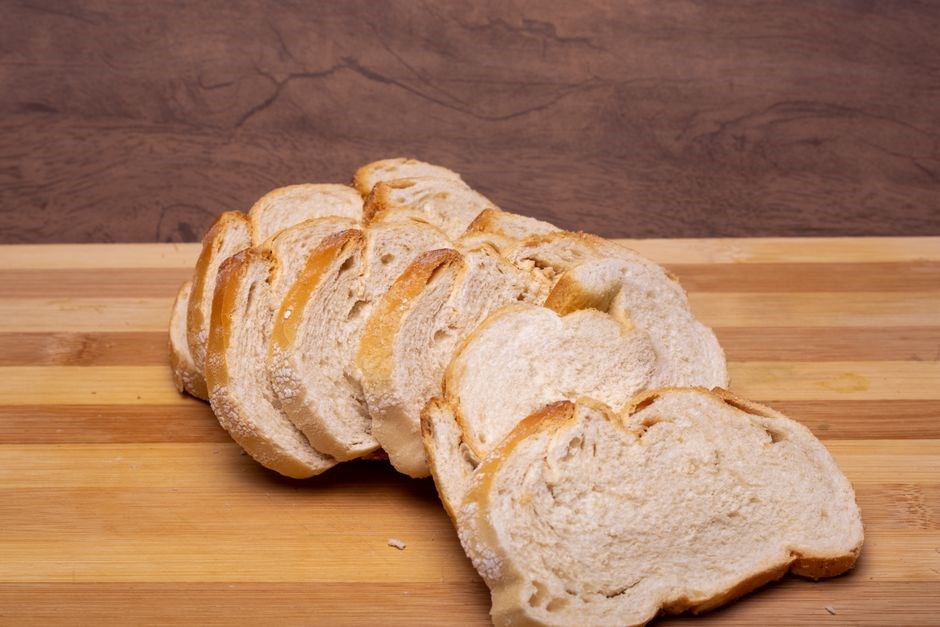
Bread Types and Selection
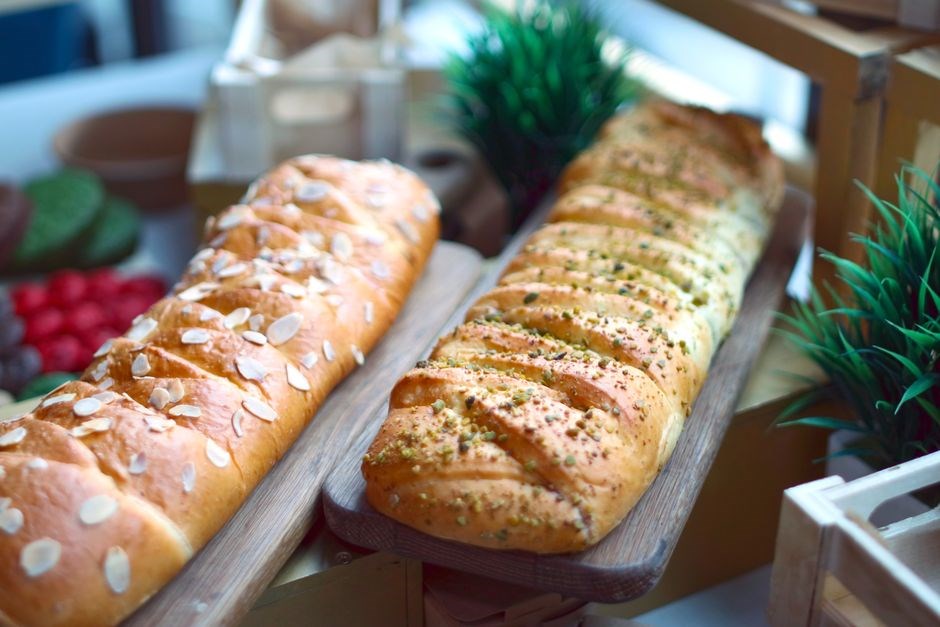
When crafting a classic garlic loaf‚ the foundation is the bread itself. For a crisp‚ buttery crust‚ a French baguette or a rustic country loaf offers the ideal structure—its airy crumb and sturdy crust hold the garlic butter without becoming soggy. A whole‑grain or rye loaf adds a nutty depth‚ while a soft brioche or ciabatta provides a tender bite that melts in the mouth. If you prefer a lighter option‚ a sourdough base delivers a tangy contrast to the rich garlic‚ and its open crumb ensures even distribution of flavor. For those who enjoy a sweet twist‚ a sweet roll or a cinnamon raisin loaf can be transformed into a savory treat by swapping sugar for a savory herb blend. When selecting‚ look for a loaf that has a firm‚ slightly elastic feel; avoid overly soft or stale breads‚ as they will absorb too much butter and lose their shape. A freshly baked loaf‚ or one that has been stored in a paper bag to maintain crispness‚ will provide the best texture and flavor profile. In addition‚ consider the size and shape—long‚ narrow loaves slice easily and allow for even coating‚ while round‚ thick loaves offer generous slices that can be topped with extra herbs or cheese. Ultimately‚ the choice of bread sets the stage for the garlic butter’s performance‚ so choose a loaf that complements your desired texture‚ flavor‚ and presentation. The loaf’s crust thickness also dictates how well the butter melts and stays crisp.!!
Garlic and Herb Variants
Fresh garlic delivers a bright‚ sharp bite‚ while roasted cloves soften into a mellow‚ caramelized sweetness that pairs beautifully with buttery bread. For a classic kick‚ mince 3–4 cloves and mix with 4 Tbsp softened butter‚ 1 Tbsp chopped parsley‚ and a pinch of salt. If you prefer a milder profile‚ use 2 cloves of finely grated garlic and substitute the butter with olive oil for a lighter texture. Herb choices can transform the loaf: basil and oregano create a Mediterranean feel; thyme and rosemary lend an earthy aroma; chives and dill offer a subtle‚ fresh finish. A dash of smoked paprika or a sprinkle of crushed red pepper can add heat‚ while a touch of lemon zest brightens the overall flavor. For a richer‚ more indulgent version‚ fold in 2 Tbsp grated Parmesan or mozzarella before baking‚ and finish with a drizzle of truffle oil after the crust forms. Experimenting with these combinations allows you to tailor the bread to any cuisine‚ from Italian pasta dishes to spicy Asian curries‚ ensuring each bite is perfectly balanced and aromatic. Remember to serve immediately for maximum crunch‚ or wrap tightly in foil if you need to keep it fresh for later use. A light dusting of sea salt before baking adds a note that lingers on the palate.
Preparation Steps
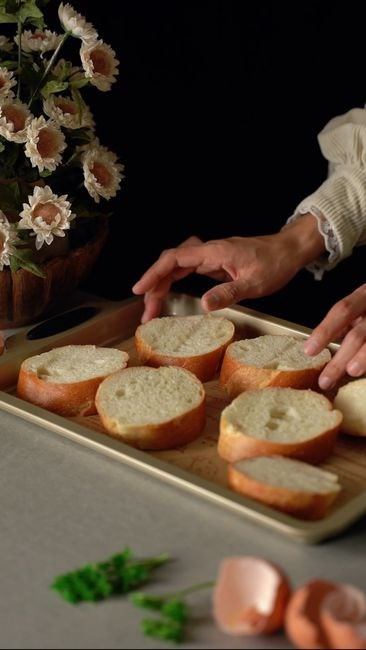
Slice loaf‚ mix softened butter with minced garlic‚ herbs‚ salt. Spread evenly‚ bake 375°F‚ 10‑12 min. Remove‚ let cool‚ slice again‚ serve hot. For extra crunch‚ brush with olive oil before baking. Serve with marinara or pesto for a gourmet touch. Keep warm. for now
Mashing Garlic with Butter
Begin by selecting fresh‚ firm garlic cloves—ideally 3 to 4 per loaf. Peel the skins and slice each clove thinly to expose maximum flavor. In a small bowl‚ combine 4 tablespoons of softened butter with the sliced garlic‚ a pinch of sea salt‚ and freshly ground black pepper. Use a fork or a garlic press to mash the garlic into the butter‚ creating a fragrant‚ evenly distributed paste. The goal is to break down the garlic’s cell walls‚ releasing allicin while keeping the mixture smooth enough to spread without clumps. Let the butter rest for 5 minutes; this allows the garlic’s oils to infuse fully. If you prefer a milder taste‚ reserve one clove‚ crush it lightly‚ and fold it into the mixture after the initial mash. For an extra herbal note‚ stir in 1 tablespoon of chopped parsley or basil just before spreading. This mixture should be warm enough to glide over bread yet not melted into a liquid. Store the prepared butter in a sealed container at room temperature for up to 24 hours‚ or refrigerate for longer use. When ready to bake‚ spread the garlic butter liberally over each slice‚ ensuring even coverage. The butter’s fat will render during baking‚ creating a golden crust while the garlic infuses the bread with a robust‚ savory aroma that pairs beautifully with any pasta or soup. For a touch of indulgence‚ sprinkle grated Parmesan or mozzarella on top before baking. This simple essential step transforms ordinary bread into a fragrant‚ buttery delight that satisfies both the palate and the senses!
Assembling the Bread
Start by selecting a loaf that holds its shape—white‚ whole‑grain‚ or rye are all excellent choices. Slice the loaf into 1‑inch thick pieces‚ keeping the crust intact for a rustic look. Lay the slices on a parchment‑lined baking sheet‚ arranging them in a single layer so heat circulates evenly. Take the garlic‑butter mixture prepared earlier and spread it generously over each slice‚ using the back of a spoon or a pastry brush to ensure a thin‚ even coat. For a subtle herb twist‚ sprinkle freshly chopped parsley‚ oregano‚ or thyme over the buttered surface. If you enjoy a cheesy finish‚ grate ½ cup of mozzarella or a blend of cheddar and Parmesan and distribute it across the slices. The cheese will melt into a golden crust‚ adding richness and depth. For an extra burst of flavor‚ drizzle a light stream of olive oil over the top before baking. This not only enhances the aroma but also helps the crust crisp up beautifully. Finally‚ place the baking sheet in a preheated oven at 375°F (190°C) and bake for 10–12 minutes‚ or until the edges are golden and the cheese has bubbled. Remove the sheet‚ let the bread cool for a minute‚ then serve hot‚ pairing it with pasta‚ soup‚ or a fresh salad. The assembly process is simple yet transforms everyday bread into a savory‚ aromatic treat that delights the senses. Add a tablespoon of tomato paste before baking‚ or top the loaf with a drizzle of balsamic reduction for a finish that elevates dish. today! quickly!extra!now
Baking Techniques
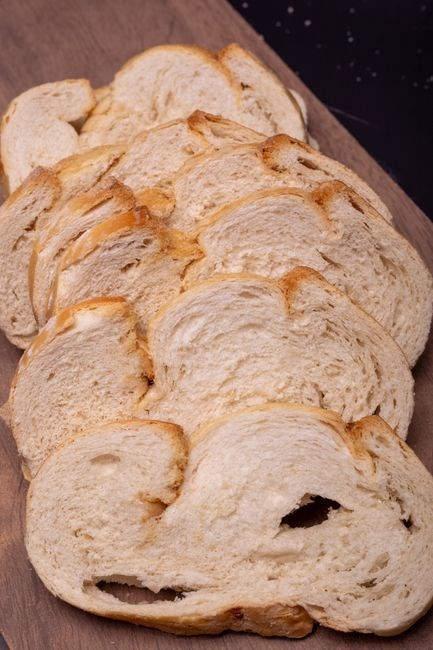
Preheat oven to 375°F (190°C). Arrange buttered slices on a sheet‚ bake 10‑12 min until edges crisp. For extra crunch‚ broil last 1‑2 min. Keep watch to avoid burning. Serve immediately for best flavor. Add a drizzle of olive oil before baking for shine‚ and sprinkle crushed red pepper for heat. 202
Temperature and Timing Guidelines
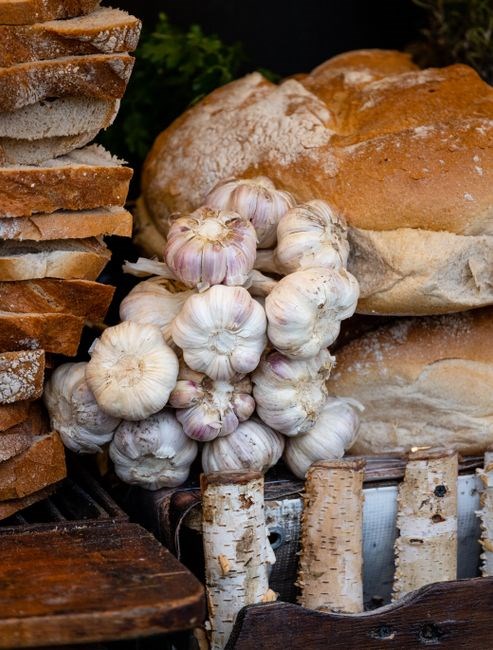
For optimal crunch and flavor‚ preheat a conventional oven to 375°F (190°C). Place the buttered‚ garlicky slices on a parchment‑lined sheet and bake for 10 minutes. At this point‚ the edges should begin to brown lightly‚ while the interior stays moist. If you prefer a crispier top‚ switch to the broiler for the final 1–2 minutes‚ watching closely to avoid charring. A 400°F (204°C) setting works well for thicker loaves‚ extending the bake time to 12–14 minutes. For a lighter loaf‚ reduce the temperature to 350°F (177°C) and bake for 8–10 minutes. Always use a timer to keep track of the exact duration‚ as ovens vary. After baking‚ let the bread rest on a rack for 2 minutes to allow steam to escape‚ preventing sogginess. This brief cooling period also helps the butter to set‚ giving each bite a buttery‚ golden finish. Adjust the timing by 1–2 minutes per 1‑inch increase in slice thickness. For a homemade dough‚ a 425°F (218°C) bake for 15–18 minutes yields a golden crust and a chewy center. Remember to rotate the pan halfway through for even cooking. Finally‚ serve immediately for maximum aroma and texture‚ or cover loosely with foil to keep warm.
If you’re using a convection oven‚ reduce the temperature by 25°F and shorten the bake time by 5 minutes. Sprinkle sea salt on top before baking; it caramelizes slightly‚ adding depth. Brush melted butter on top‚ sprinkle parsley for a fresh finish. If you like extra crunch‚ broil for 1 minute; the top will crisp beautifully!!!
Achieving the Perfect Crust
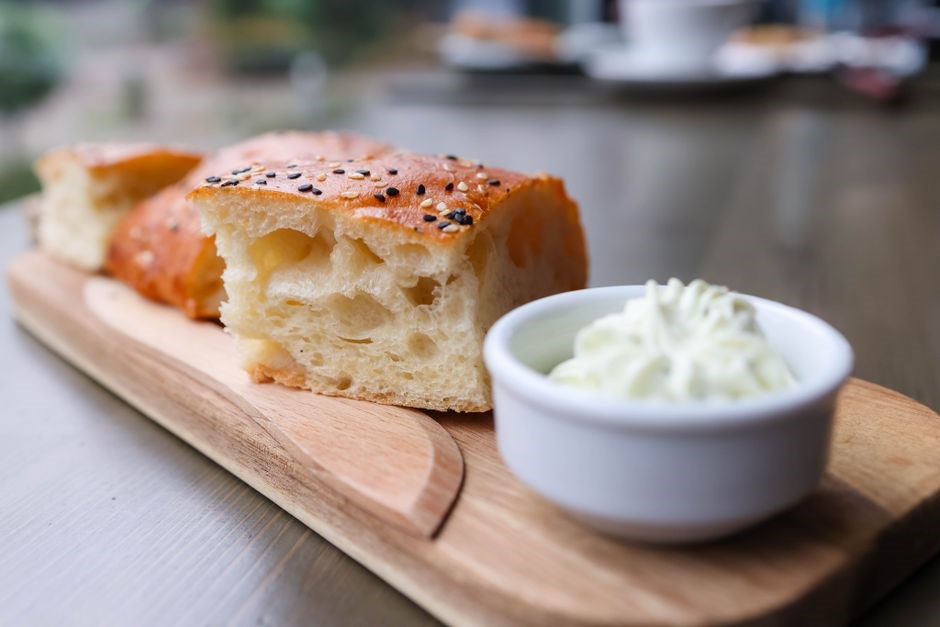
To attain a golden‚ crunchy‚ shell that still embraces the tender interior‚ start by preheating the oven to 375°F (190°C) and lining a baking sheet with parchment or a silicone mat to prevent sticking. Spread the garlic‑butter mixture evenly across each slice‚ ensuring the butter seeps into the crust for a uniform flavor. For an extra crisp edge‚ lightly brush the tops with a thin layer of melted butter or a drizzle of olive oil before baking. Place the sheet in the center of the oven and bake for 10 minutes; the initial phase allows the butter to melt and the garlic to infuse the bread without burning. After 10 minutes‚ rotate the pan 180° to promote even browning. If you desire a darker‚ caramelized crust‚ switch to the broiler for the last 1–2 minutes‚ watching closely to avoid charring. The broiler’s intense‚ direct heat will quickly brown the surface while keeping the inside moist. For thicker loaves‚ increase the bake time by 2–3 minutes‚ keeping an eye on the color. A light sprinkling of sea salt on top before baking can add a subtle crunch and enhance the buttery aroma. Once the crust reaches a deep golden hue‚ remove the bread from the oven and let it rest on a wire rack for 2 minutes; this brief cooling period allows steam to escape‚ preventing sogginess. The result is a crisp‚ flavorful crust that pairs beautifully with any pasta or soup‚ delivering a satisfying crunch with every bite. Enjoy aroma as it cools‚ serve hot for best flavor. Keep it warm in foil until ready to serve OK
Flavor Enhancements and Variations
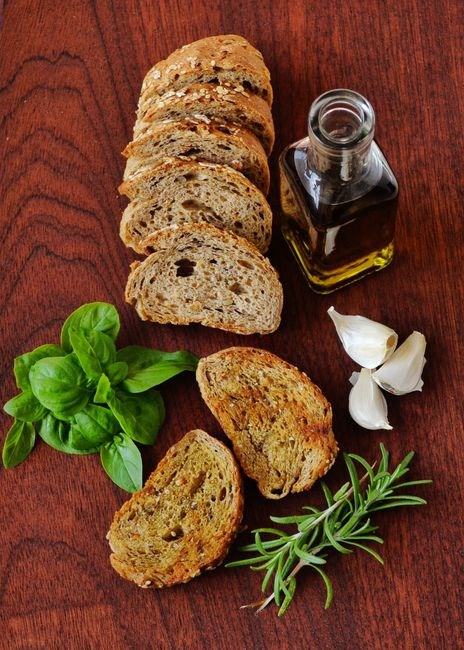
Add a sprinkle of smoked paprika for depth‚ or drizzle a touch of truffle oil for luxury. Mix in finely grated Pecorino Romano or shredded mozzarella for gooeyness. Toss fresh thyme or oregano into the butter for herbal brightness. Finish with a dust of flaky sea salt for an extra crunch and aroma.
Cheese Additions and Toppings
Cheese transforms garlic bread from simple to sublime. Start with a blend of ½ cup shredded mozzarella for meltiness‚ ¼ cup grated Parmesan for savory depth‚ and a pinch of crumbled blue cheese for a bold kick. Spread the butter‑garlic mixture‚ then layer the cheeses evenly. For a golden crust‚ sprinkle extra Parmesan on top before baking. If you prefer a richer finish‚ fold in 2 tablespoons of cream cheese‚ softened‚ to create a silky‚ creamy layer that coats each bite. Add a drizzle of olive oil or a dusting of flaky sea salt to enhance flavor. For a Mediterranean twist‚ mix in 1 tablespoon of chopped sun‑dried tomatoes and a teaspoon of oregano. For a spicy version‚ sprinkle red pepper flakes over the cheese before baking. Bake at 375°F (190°C) for 10–12 minutes until the cheese is bubbly and the edges crisp. Serve hot‚ allowing the cheese to ooze slightly for maximum indulgence. Add a layer of provolone for a nutty note‚ or sprinkle Asiago for sharpness. Mix mascarpone into the butter‑garlic for gooeyness. Top with Parmesan and chopped nuts before baking. Let rest two minutes to set the cheese; Serve with marinara or salad. For vegan‚ swap dairy cheeses with nutritional yeast or cashew‑based cheese‚ and use olive oil instead of butter. For an extra burst‚ drizzle a teaspoon of truffle oil over the finished bread‚ and garnish with fresh parsley for color. Of sea salt. And pepper for heat!!!!!
Spice and Herb Mixes
Seasoning versatility shines when you experiment with fresh herbs like thyme‚ oregano‚ rosemary‚ and basil‚ each bringing distinct aromas. Dried herbs offer convenience‚ while fresh leaves deliver bright‚ vibrant notes. Combine smoked paprika for depth‚ cumin for earthiness‚ and a dash of cayenne for heat. A sprinkle of nutmeg or a pinch of allspice adds subtle warmth. For a Mediterranean touch‚ mix oregano‚ thyme‚ and basil with a splash of lemon zest. In a pinch‚ use dried dill or marjoram to elevate the flavor profile. Finish with a drizzle of extra‑virgin olive oil for sheen and a final burst of freshness!! 🙂
Serving and Storage Tips
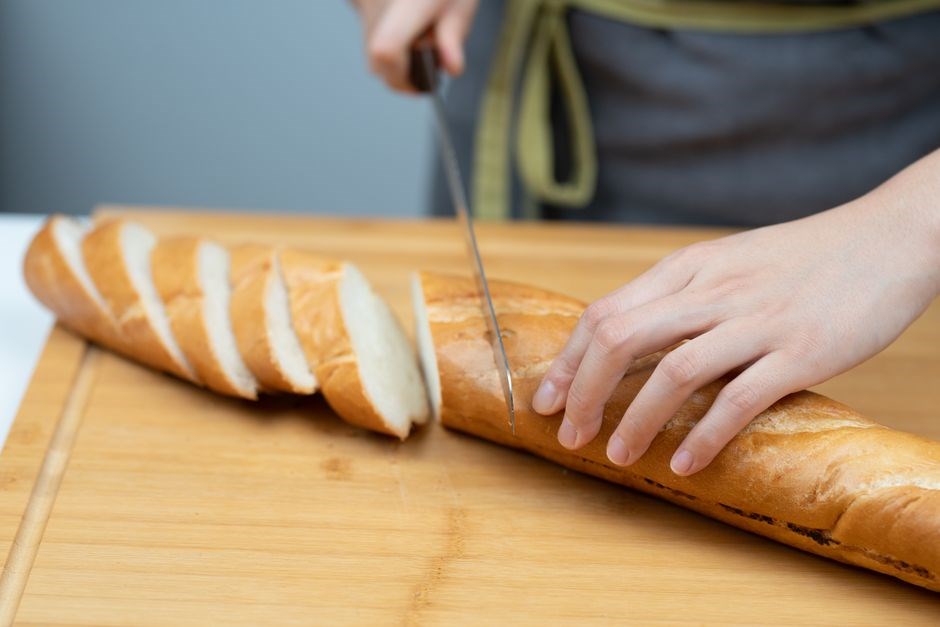
Serve warm‚ pairing with pasta or soup. Cool to room temp‚ wrap in foil‚ store 1‑2 days. Reheat 350°F for crispness. Keep airtight to preserve crunch. Enjoy within 48 hrs for peak flavor. Keep slices wrapped in foil and reheat in a skillet for a crisp finish now!.
Best Pairings with Dishes
Fresh garlic bread is a versatile companion that elevates many meals. Pair it with a classic tomato‑based pasta‚ letting the buttery‚ garlicky crunch contrast the silky sauce. It also works wonderfully alongside hearty soups—think creamy tomato basil‚ minestrone‚ or a smoky lentil broth—where the bread serves as a perfect scoop. For a lighter option‚ serve alongside a crisp Caesar salad or a Mediterranean quinoa bowl; the garlic notes echo the herbs in the dressing. In a dinner party setting‚ arrange the bread next to a platter of roasted vegetables or a charcuterie board‚ allowing guests to mix and match flavors. Even a simple grilled cheese sandwich gains depth when accompanied by a slice of garlic bread‚ creating a double‑layered cheese experience. For an Italian dinner‚ place the bread beside a steaming plate of risotto or a baked eggplant Parmesan. In Asian cuisine‚ a side of garlic bread can complement a bowl of pho or a stir‑fried noodle dish‚ adding a Western touch to the meal. Finally‚ for a comforting brunch‚ serve alongside a bowl of scrambled eggs or a savory French toast‚ letting the bread soak up the buttery sauce. These pairings showcase how garlic bread can transform ordinary dishes into memorable feasts. A drizzle of olive oil brightens the bread‚ while a pinch of red pepper flakes adds heat. A hint of honey balances the salt‚ a sprinkle of oregano gives a touch! These tweaks let you tailor the bread to a dish‚ making it a side that satisfies palate.
Storing Fresh Garlic Bread
To keep garlic bread at its peak‚ wrap each slice tightly in parchment paper‚ then place in a resealable plastic bag. For short‑term freshness‚ store at room temperature for up to 2 days; keep the bag sealed to prevent moisture loss. If you need longer storage‚ refrigerate the wrapped slices in the fridge for up to 5 days. When ready to eat‚ reheat in a preheated oven at 350°F (175°C) for 5–7 minutes‚ or toast in a skillet with a light drizzle of olive oil to restore crispness. Avoid microwaving‚ as it can make the bread soggy. For freezer preservation‚ wrap the bread in foil‚ then place in a freezer‑safe bag; freeze for up to 3 months. Thaw at room temperature‚ then warm in the oven as described. Always check for any off odors or mold before consumption. Proper wrapping and controlled temperature are key to maintaining the buttery‚ garlicky flavor and the desirable crunch of fresh garlic bread.
Store leftovers in an airtight container at room temperature for up to 48 hours‚ or refrigerate for up to 5 days. When reheating‚ a quick 2‑minute burst in a toaster oven restores the golden exterior while keeping the interior soft. Enjoy the aroma and flavor of freshly baked garlic bread whenever you need a comforting side.
For a quick snack‚ simply warm the bread in a skillet with a splash of butter and a pinch of sea salt‚ then serve while the aroma lingers. This method preserves the crispness and enhances the garlicky flavor without the need for an oven.