Kitchen Cabinet Plans PDF: A Comprehensive Guide
Discover a wealth of free kitchen cabinet plans in PDF format, ranging from base cabinets to wall units, empowering DIY enthusiasts with detailed blueprints.
Explore resources like The Design Confidential, MyMyDIY, Internet Archive, and Popular Woodworking for diverse plans, aiding in successful kitchen renovations.
Embarking on kitchen cabinet construction with PDF plans requires understanding fundamental principles. These plans offer detailed instructions, but a grasp of basic woodworking is crucial. DIY projects benefit from knowing cabinet types – base, wall, and tall – each demanding specific construction techniques.
Successful builds rely on accurate measurements and material selection, often detailed within the PDF. Resources like those found on The Design Confidential and MyMyDIY provide step-by-step guidance, while the Internet Archive offers historical plans. Popular Woodworking guides enhance skills. Understanding joinery, framing, and finishing techniques, as outlined in these plans, ensures durable and aesthetically pleasing results. Careful planning and adherence to PDF instructions are key to a rewarding project.

Understanding Different Cabinet Types
Kitchen cabinet PDF plans showcase diverse types, each serving unique functions. Base cabinets, often detailed in plans from The Design Confidential, provide storage and support countertops. Wall cabinets, frequently covered in assembly guides, maximize vertical space. Tall cabinets, less common in free plans, offer pantry or appliance storage.
Frameless (European-style) and framed cabinets differ in construction, impacting plan complexity. PDF blueprints from MyMyDIY and the Internet Archive will specify the style. Understanding these distinctions is vital for selecting appropriate plans. Carefully review plan details to identify cabinet type and construction methods before starting. Choosing the right plan ensures a successful and functional kitchen layout.
Base Cabinets: Plans and Considerations
Base cabinet PDF plans, like those from The Design Confidential, typically detail frame construction using finish nails and brad attachments to plywood panels. Consider the importance of a secure back, fastened with 7/8” brads into interior panels and cleats. Plans emphasize filling nail and screw holes for a smooth finish.
Key considerations include depth, width, and height, impacting storage capacity. PDF blueprints often specify plywood thickness (typically ½ inch) and lumber choices. Ensure plans include dimensions for toe kicks and countertop support. Proper assembly and finishing, as highlighted in online resources, are crucial for durability and aesthetics.
Wall Cabinets: Design and Installation
PDF plans for wall cabinets often require careful consideration of mounting height and wall stud locations for secure installation. Detailed blueprints will specify cabinet dimensions, shelf placement, and door swing clearances. Explore resources offering step-by-step assembly instructions, ensuring accurate construction.
Consider the weight of the cabinet and its contents when selecting mounting hardware. Plans may suggest using ledger boards for added support. Proper leveling is essential for a professional look. Remember to account for any crown molding or decorative elements. Successful installation relies on precise measurements and adherence to the plan’s specifications.
Essential Tools for Kitchen Cabinet Building
Successfully executing kitchen cabinet plans, often found in PDF format, demands a specific toolkit. Essential tools include a table saw for accurate cuts, a miter saw for angles, and a drill/driver for assembly. Pocket-hole jigs are invaluable for strong joinery.
Clamps are crucial for holding pieces together while glue dries. Sanding tools, like orbital sanders, ensure smooth surfaces. Measuring tools – tape measure, level, and square – guarantee precision. Safety gear, including eye protection and dust masks, is non-negotiable. Having these tools readily available streamlines the building process, as outlined in most PDF plans.
Materials Needed for Kitchen Cabinet Projects
Kitchen cabinet projects, guided by PDF plans, require careful material selection. Plywood is a staple for cabinet boxes, offering stability and affordability. Lumber, either hardwood or softwood, is needed for face frames and doors. Hardware – hinges, pulls, and knobs – adds functionality and style.
Fasteners like screws and nails secure the structure. Wood glue provides strong bonds. Finishing supplies, including stain, primer, and sealant, protect and beautify the cabinets. PDF plans often specify material quantities and types, ensuring a streamlined build. Choosing quality materials is key to durable, long-lasting cabinets.
Plywood Selection for Cabinet Construction
Plywood forms the core of many cabinet projects detailed in PDF plans. Cabinet-grade plywood, specifically 1/2 inch, is commonly used for box construction due to its strength and stability. Consider the plywood’s core – birch or maple offer superior quality, while poplar is a more economical choice.
Ensure the plywood is free of voids and has a smooth, consistent surface for finishing. PDF plans may specify the plywood grade needed for specific components. Higher grades minimize the need for extensive filling and sanding. Proper plywood selection directly impacts the cabinet’s structural integrity and aesthetic appeal.
Lumber Choices: Hardwood vs. Softwood
Kitchen cabinet plans PDF often detail lumber requirements for face frames, doors, and trim. Hardwoods like maple, oak, and cherry are favored for their durability and beautiful grain, lending a premium look. Softwoods, such as pine or fir, are more affordable but less resistant to dents and scratches.
PDF plans may specify the type of wood best suited for each component. Hardwood is ideal for high-use areas, while softwood can be used for hidden structural elements. Consider the desired finish and the overall aesthetic when selecting lumber, aligning choices with the project’s scope.
Free Kitchen Cabinet Plans: Online Resources
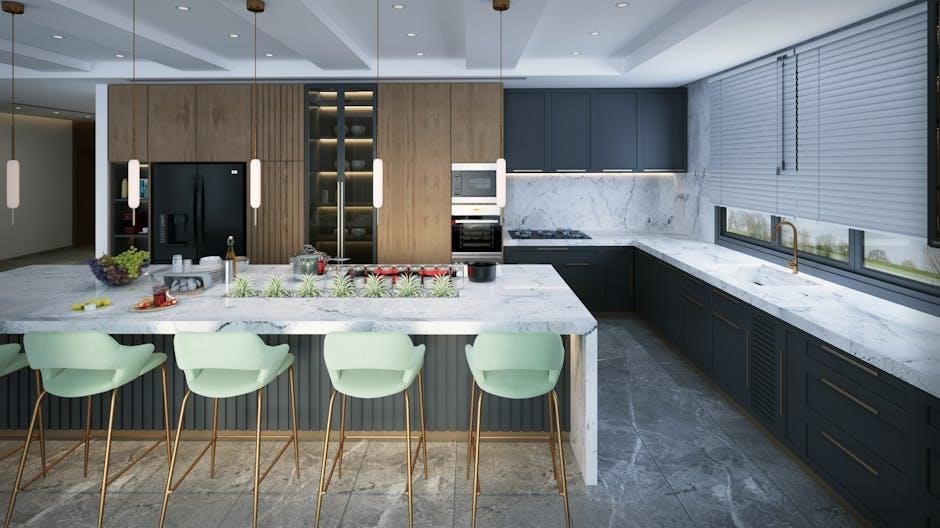
Numerous online platforms offer free kitchen cabinet plans PDF downloads, catering to various skill levels and design preferences. The Design Confidential provides easy-to-follow base cabinet blueprints, emphasizing simplicity and direct attachment methods. MyMyDIY curates a collection of 16 DIY cabinet blueprints, inspiring kitchen upgrades with step-by-step instructions.
The Internet Archive hosts a vast library of downloadable cabinet woodworking plans, including detailed projects like china cabinets and media stands. Popular Woodworking offers essential cabinet-making guides, while sites like Free Woodworking Plan and Absolutely Free Plans provide additional resources.
The Design Confidential: Base Cabinet Plans
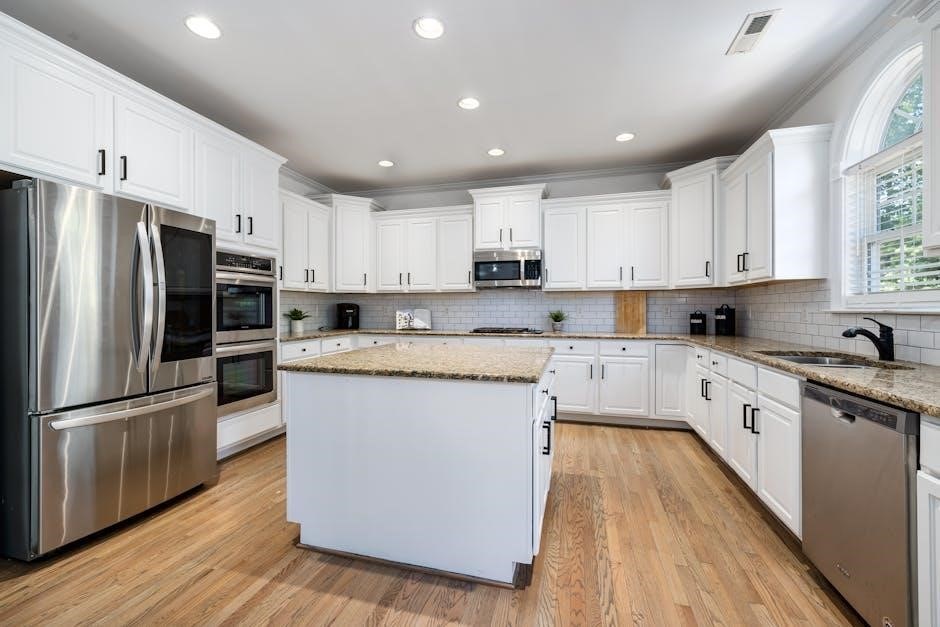
The Design Confidential offers readily accessible base cabinet plans, ideal for beginners seeking a straightforward DIY project. These plans prioritize ease of construction, suggesting direct attachment of frame pieces using finish nails, bypassing the need for a pneumatic nailer (PHS).
Detailed instructions guide users through attaching the back panel with 7/8” brads, securing it to interior panels, cleats, and lower shelves. Finishing is simplified with guidance on filling nail holes and preparing surfaces for stain or paint. Disclaimer: plans are for private use only, with linking permitted under specific conditions.
MyMyDIY: Collection of 16 DIY Cabinet Blueprints
MyMyDIY presents an inspiring compilation of 16 free DIY kitchen cabinet blueprints, catering to various skill levels and design preferences. This curated collection serves as a valuable resource for homeowners aiming to revitalize or completely replace their kitchen cabinetry.
Each blueprint provides step-by-step instructions, empowering individuals to confidently tackle cabinet construction. Users can easily access these plans by scrolling through the list and clicking the “View Plans” button, unlocking detailed guidance for building their own custom kitchen cabinets. It’s a fantastic starting point for a kitchen makeover!
Internet Archive: Downloadable Cabinet Woodworking Plans
The Internet Archive offers a diverse repository of downloadable cabinet woodworking plans in PDF format, providing a treasure trove for DIY enthusiasts and woodworking hobbyists. Users can access plans for various cabinet types, including workbenches, islands, buffets, and media stands, expanding project possibilities.
Notable plans include “Cabinetmakers Workbench Drawers.pdf”, “Carey kitchen island.pdf”, and “Carson cabinet.pdf”, among others. Additionally, resources like Reddit’s r/woodworking suggest supplementary sites like freewoodworkingplan.com for further exploration of free plans, enhancing the search for ideal cabinet designs.
Step-by-Step Guide to Building a Base Cabinet
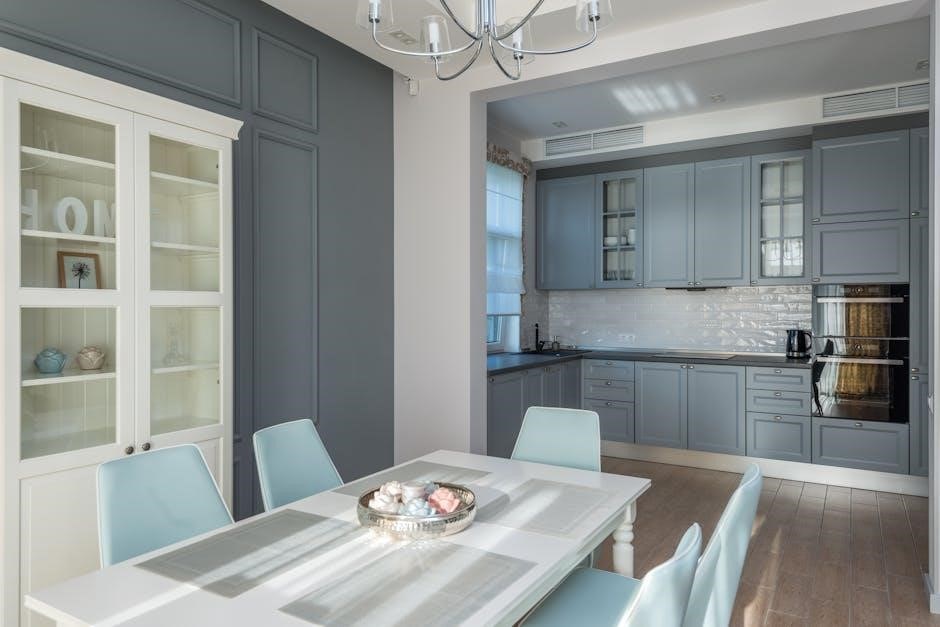
Begin by assembling the cabinet frame, directly attaching frame pieces using finish nails if a pneumatic nailer isn’t available. Next, carefully tack the back panel onto the frame using 7/8-inch brads, ensuring secure fastening into the interior panels, cleat, and lower shelf.
Subsequently, address any visible screw, nail, or pocket holes with wood filler for a seamless finish. Finally, thoroughly sand the cabinet to prepare it for staining or painting, consulting finishing tips and tricks for optimal results, as suggested by resources like The Design Confidential’s Finishing School.
Detailed Instructions for Wall Cabinet Assembly
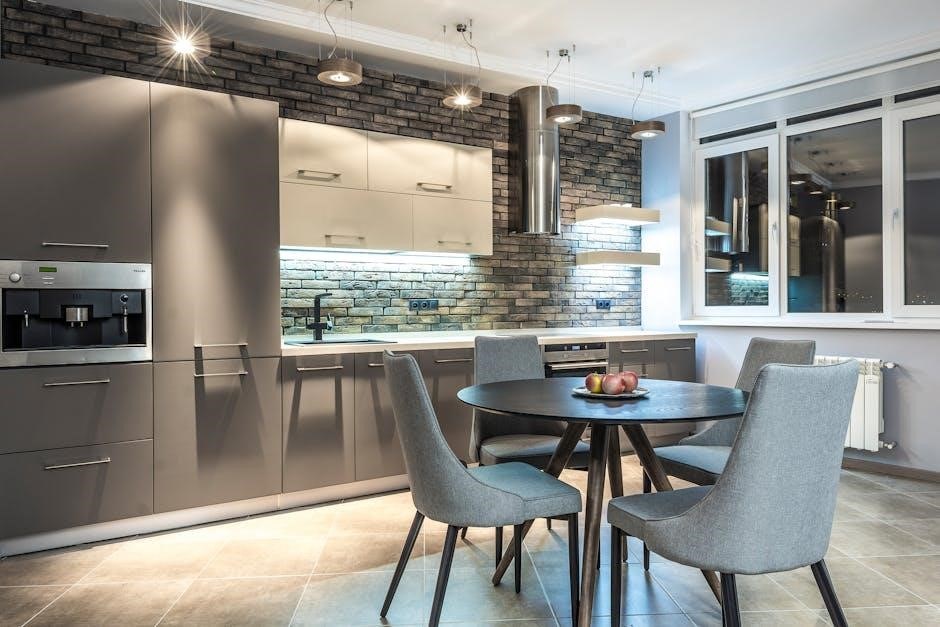
Access a diverse collection of 16 free DIY cabinet blueprints from MyMyDIY, providing step-by-step instructions for wall cabinet construction. Begin by carefully reviewing the chosen plan, noting all dimensions and material requirements.
Subsequently, construct the cabinet box, ensuring squareness and rigidity. Then, install any internal shelving or dividers according to the plan’s specifications. Finally, prepare the cabinet for mounting, considering wall stud locations for secure attachment. Explore resources like the Internet Archive for additional plans, including options for media stands and buffets adaptable for wall mounting.
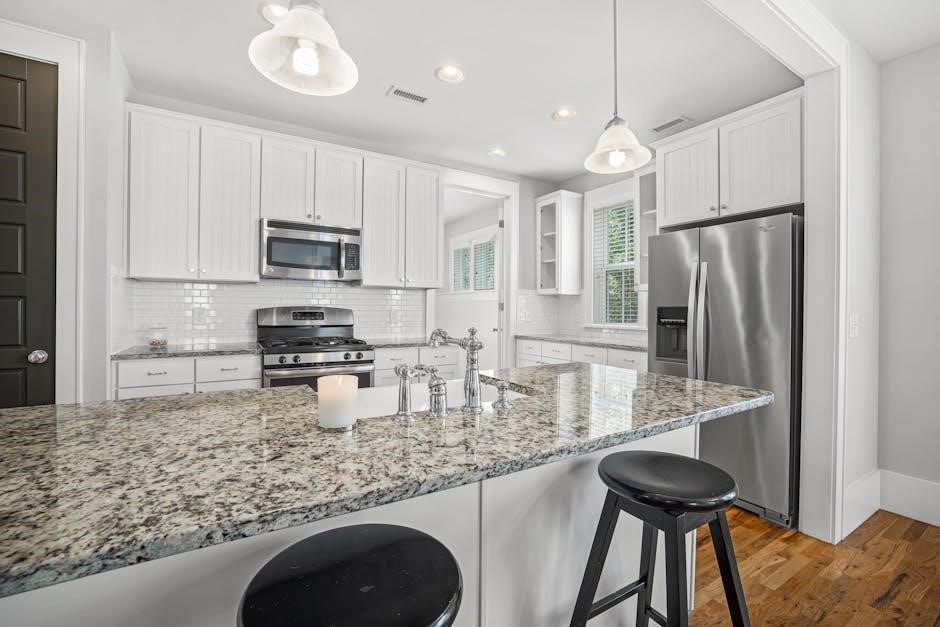
Cabinet Door Construction Techniques
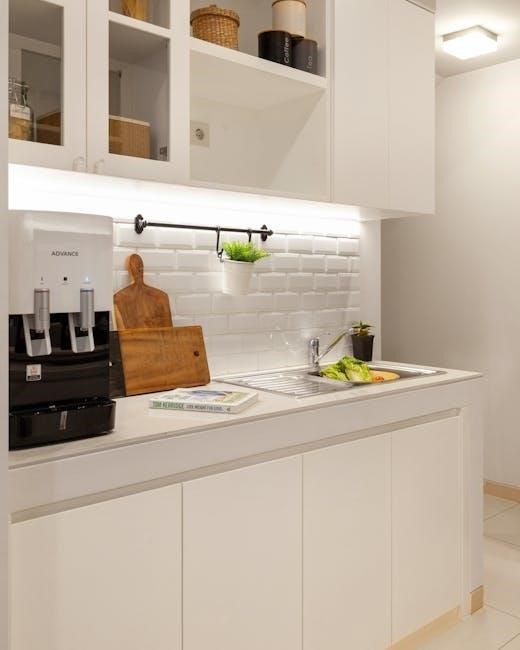
Explore the fundamental distinction between framed and frameless cabinet doors, influencing both aesthetics and construction complexity. Framed doors typically utilize a face frame, providing structural support and a traditional look. Frameless doors, conversely, offer a more contemporary style with full-overlay designs.
Utilize downloadable plans from resources like the Internet Archive to guide door construction, focusing on accurate measurements and joinery techniques. Consider plywood selection for door panels, ensuring stability and a smooth surface for finishing. Remember to account for hardware placement and alignment during assembly, referencing plans for precise details.
Framed vs. Frameless Cabinet Doors
Framed cabinet doors, a traditional approach, feature a face frame that adds structural rigidity and a classic aesthetic. Plans often detail constructing this frame from hardwood, providing attachment points for hinges and doors. Frameless cabinets, conversely, boast a sleek, modern appearance, eliminating the face frame for full-overlay doors.
PDF plans from sources like The Design Confidential and MyMyDIY will illustrate the differing construction methods. Frameless designs demand precise cabinet box construction for door alignment. Consider the impact on interior space; frameless offers greater accessibility. Choosing between the two hinges on style, budget, and desired functionality.
Finishing Your Kitchen Cabinets
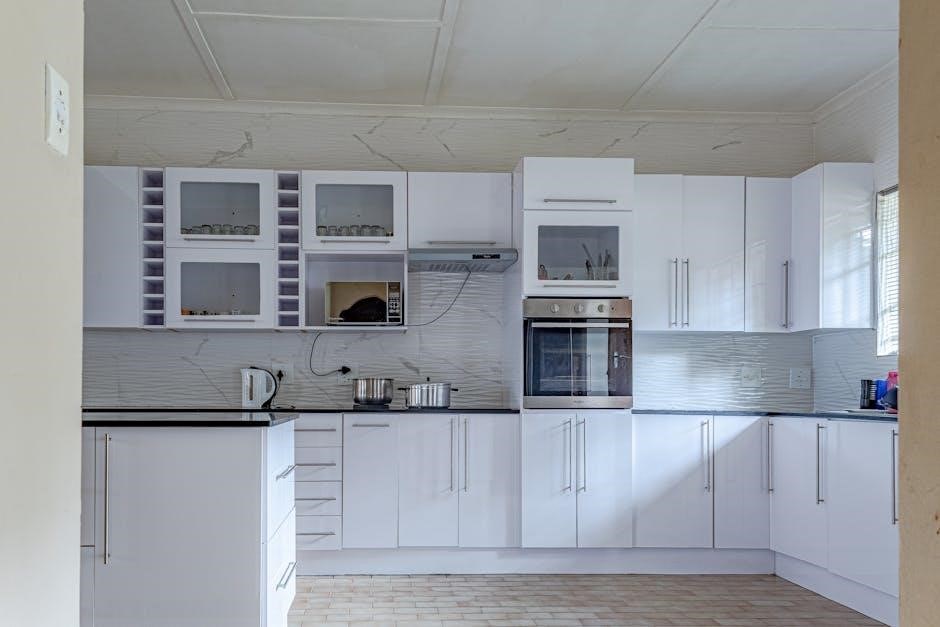
Achieving a professional finish is crucial after cabinet construction. PDF plans often dedicate sections to surface preparation, emphasizing thorough sanding to ensure optimal stain and coating adhesion. Resources like Popular Woodworking highlight the importance of removing imperfections.
Selecting the right stain and protective coating—polyurethane or varnish—depends on desired durability and aesthetic. Detailed plans may suggest multiple coats for enhanced protection. Proper ventilation is vital during application. Finishing techniques, as detailed in online guides, transform raw wood into a beautiful, lasting kitchen feature.
Sanding and Preparation for Finishing
Effective sanding is paramount for a flawless cabinet finish, as highlighted in many PDF kitchen cabinet plans. Begin with coarser grits—80 to 120—to remove imperfections, then progress to finer grits—150 to 220—for smoothness. Thoroughly remove all sanding dust using a tack cloth or vacuum.
Filling nail holes and screw recesses with wood filler ensures a seamless surface. Plans often recommend multiple light coats of filler, sanding between applications. Proper preparation guarantees even stain absorption and a professional-looking result, maximizing the impact of your chosen finish.
Applying Stain and Protective Coatings
Kitchen cabinet PDF plans frequently emphasize the importance of even stain application. Use a high-quality brush, foam applicator, or spray gun, following the wood grain. Wipe off excess stain promptly to control color intensity. Allow the stain to dry completely, typically 24-48 hours, before applying protective coatings.
Several coats of polyurethane, varnish, or lacquer provide durability and moisture resistance. Lightly sand between coats with fine-grit sandpaper (320+) for a smooth finish. Finishing School tips, referenced in plans, suggest practicing techniques for optimal results, ensuring lasting beauty and protection.
Common Cabinet Dimensions and Standards
Kitchen cabinet PDF plans often adhere to standard dimensions for ease of installation and functionality; Base cabinets typically measure 34.5 inches high, while wall cabinets are around 30 inches tall. Depth for base cabinets is usually 24 inches, and wall cabinets are 12-15 inches deep.
Widths vary in 3-inch increments (e.g., 12”, 15”, 18”). These standards accommodate common appliance sizes and countertop depths. Understanding these dimensions is crucial when modifying or creating custom plans, ensuring seamless integration within the kitchen layout. Refer to multiple plans for consistent measurements.
Safety Precautions for Woodworking
When utilizing kitchen cabinet PDF plans, prioritize safety throughout the building process. Always wear safety glasses to protect your eyes from flying debris. Use a dust mask or respirator to avoid inhaling sawdust, which can cause respiratory irritation. Ensure proper ventilation in your workspace.
Employ ear protection when operating loud power tools. Secure workpieces with clamps before cutting or sanding. Disconnect power tools before changing blades or making adjustments. Be mindful of sharp edges and use caution when handling tools. Never rush, and focus on each step.
Troubleshooting Common Cabinet Building Issues
When following kitchen cabinet PDF plans, anticipate potential challenges. If doors or drawers don’t align, re-check measurements and adjust hinges or slides. For gaps, ensure cabinet frames are square and level during assembly. Address plywood delamination by using higher-quality materials and proper adhesive application.
Counteract screw or nail holes with wood filler, sanding smooth before finishing. Resolve uneven surfaces by carefully sanding and applying multiple coats of finish. If cuts are inaccurate, double-check your tools and measuring techniques. Remember patience and precision are key to overcoming these hurdles.
Resources for Further Learning
Expand your cabinet-building knowledge beyond PDF plans with dedicated resources. Popular Woodworking offers comprehensive cabinet-making guides, enhancing your skillset. Explore numerous free woodworking plan websites like freewoodworkingplan.com, absolutelyfreeplans.com, and vintageinternetplans.com for diverse projects.
Woodworkersworkshop.com provides an extensive index of free plans, catering to various skill levels. Reddit’s r/woodworking community offers valuable insights and support from fellow enthusiasts. Utilize these platforms to refine techniques, discover new designs, and troubleshoot challenges, ultimately mastering cabinet construction.
Popular Woodworking: Cabinet Making Guides
Popular Woodworking serves as a cornerstone for aspiring cabinet makers, offering a free download that’s a comprehensive guide to essential cabinet-making techniques. This resource delves into the intricacies of construction, providing a solid foundation for DIY projects.
Benefit from detailed instructions and expert advice, covering everything from material selection to assembly methods. Complement this guide with readily available PDF kitchen cabinet plans from sources like The Design Confidential and MyMyDIY, applying the learned principles to practical applications. Enhance your skills and build beautiful, functional cabinets.
Free Woodworking Plan Websites
Numerous websites offer free woodworking plans, including valuable resources for kitchen cabinet construction. Freewoodworkingplan.com, absolutelyfreeplans.com, and vintageinternetplans.com provide a diverse collection of PDF blueprints. These sites cater to various skill levels, from beginner to advanced, offering plans for base, wall, and specialty cabinets.
Woodworkersworkshop.com features an extensive index of free plans, streamlining your search for the perfect design. Supplement these resources with plans from The Design Confidential and MyMyDIY, ensuring a comprehensive selection for your kitchen renovation project. Explore these platforms to unlock a world of DIY possibilities.
PDF Plan Considerations and File Management
When utilizing kitchen cabinet plans in PDF format, ensure your software supports accurate scaling for precise measurements. Download and save plans to a dedicated folder, creating backups to prevent data loss. Note any usage disclaimers, such as those from The Design Confidential, regarding private use and linking to original sources.
Organize files logically, perhaps by cabinet type (base, wall) or project stage. Verify file integrity after download, as corrupted PDFs can hinder construction. Consider printing plans for easy reference during building, or viewing them on a tablet for portability. Proper file management streamlines your DIY cabinet project.